




In Europe, a quiet transformation is reshaping the way brands grow – one that’s defined by innovation, collaboration, and cultural exchange.
Across the continent, franchisors are finding that success depends on more than a scalable business model. It requires a deep understanding of local nuance, and a willingness to adapt global ambitions to regional realities.
At the heart of this evolution is the European Franchise Federation (EFF), an organization working to unite Europe’s diverse markets under a shared vision of ethical, sustainable growth. With 24 official EU languages and more than 300 regional dialects, Europe’s landscape is complex – yet to the EFF, that diversity is exactly what makes it one of the most exciting environments in the world to build a franchise.
“When diverse markets and concepts combine, they unleash powerful drivers for growth,” says the EFF. “Our mission is to connect markets, build bridges, and help entrepreneurs develop enterprises that thrive locally while competing globally.”
Europe by numbers
- 180,000+ – franchise outlets across the continent
- 24,600 – active franchise brands
- 2.6M – people employed in franchising
- Top markets – Germany, France, United Kingdom
EFF President Matthias Lehner has witnessed that dynamic firsthand. Having built a fitness franchise across four continents, he believes franchising’s strength lies in its balance of structure and flexibility – a model that can cross borders without losing its local soul. “I speak not only as an advocate for the sector, but also as someone who has lived it, he says. “This journey reflects the extraordinary potential of franchising to create concepts that resonate internationally while staying relevant locally.”
Today, Europe’s franchise community stands at a pivotal moment. Expansion opportunities abound, but so do challenges: fragmented regulation, economic uncertainty, and persistent misconceptions about the sector’s value. The EFF’s role, therefore, extends beyond advocacy – it’s about ensuring franchising remains a trusted, resilient, and sustainable route for brands looking to grow across one of the world’s most diverse and dynamic markets.
Diverse landscape
Europe’s franchising landscape is a mosaic of distinct cultural, economic, political, and legal environments. Among the 18 national franchise federations that make up the EFF, each represents a market with its own consumer habits and regulatory nuances – and each demands a tailored approach for any brand seeking to expand.
In Scandinavia, for example, Jan Fraggstedt of the Swedish Franchise Association notes that “consumers enjoy high purchasing power, are digitally advanced, and operate in an environment where entrepreneurship is supported by policymakers. Franchise concepts that emphasise sustainability, design-led innovation, and convenience tend to thrive.”
The Benelux region, comprising Belgium, the Netherlands, and Luxembourg, stands among the most competitive franchising markets in the world. According to Charlotte Oude Reimer of the Dutch Franchise Federation, “markets in our region benefit from clear legal frameworks and a long history of both domestic and international brands operating successfully.”
“Europe has long been a continent of contrasts – and that’s exactly what makes it such fertile ground for franchise growth”
However, she also notes a growing level of political scrutiny. “Not all policymakers are fully aware of the specificities of the franchise model,” she explains, adding that debates in one market can easily spill over into neighbouring countries.
In 2023, Delhaize – one of Belgium’s biggest supermarket chains – made headlines when it announced plans to franchise all its stores. The decision sparked a wave of protests from trade unions, who urged the government to step in.
Yet behind the backlash lay a clear business imperative. For Delhaize, franchising wasn’t just a strategic option – it was a survival play in an increasingly volatile retail market. Moving to a franchise model promised greater efficiency, stronger local ownership, and renewed profitability. According to Carine Janssens of the Belgian Franchise Federation, the data backs this up: franchised outlets often deliver twice the turnover of company-owned stores, and in some cases, even three times as much.
The fallout continues to ripple across Belgium and beyond, reaching even the European political stage. Centre-left groups in the European Parliament have argued that Delhaize’s restructuring risks undermining worker protections and weakening long-established labor standards. Trade unions and labor organizations have also raised alarms over potential job losses, citing procedures under Belgium’s “Renault law” for collective redundancies.
For the European Franchise Federation, cases like this highlight the urgent need for better understanding of franchising at both national and EU levels. While franchising remains one of the most effective vehicles for entrepreneurship and job creation, misconceptions can distort policy debates and lead to overregulation.
The EFF’s work, therefore, is not just about promoting growth – it’s about ensuring that franchising is recognised as a legitimate, transparent, and sustainable business model across all European markets.

Emerging markets
Moving toward the Mediterranean, Southern Europe presents a different kind of opportunity. Spain, Italy, Portugal, and Greece all boast vibrant hospitality and leisure sectors, driven by strong tourism economies. Here, seasonal demand shapes business operations, with brands needing to adapt to fluctuating volumes throughout the year.
According to the EFF’s Italian members, “Southern European consumers often value in-person experience and social connection, creating opportunities for restaurant, café, and retail brands that emphasise atmosphere and community engagement.”
Further east, in the former Yugoslavian states, franchise growth is accelerating alongside rising disposable incomes. The region is steadily converging with Western European norms, fueled by infrastructure upgrades, EU integration, and growing investor confidence.
Croatia’s retail, food service, and service sectors, for example, are expanding rapidly, with homegrown franchises demonstrating strong innovation and international potential. As Dr. Ljiljana Kukec of the Croatian Franchise Association (FIP) explains, “Croatia and our region offer first-mover advantages for quality brands ready to adapt to local markets. Now is the time to seize the opportunity and be part of this growth story.”
Across all regions, one trend stands out: the growing influence of sustainability and digital-first engagement. Whether it’s ordering food through an app, subscribing to home services, or using mobile wallets for loyalty programs, European consumers are increasingly engaging with brands through omnichannel touchpoints.
Market by market
As reported by Jack Weber, director at Franchise Match
- Germany – the €147B powerhouse with strong demand for services, senior care, and B2B concepts.
- Portugal – Europe’s fastest-growing franchise market, with +20% growth in 2024.
- Spain – a top-five global franchise market with deep experience and fast-moving trends.
- The Nordics – high-spending consumers and room for digital-first, health-driven brands.
- Italy – growing fast but with cultural and regulatory complexities.
- The Netherlands – one of Europe’s most structured, trend-driven, and export-ready markets.
Multi-sector rise
Franchising in Europe is no longer confined to its traditional food and beverage (F&B) roots, although that sector remains a formidable force. Today, franchising has evolved into a dominant business strategy across a wide range of industries, each powered by its own unique drivers of growth.
F&B continues to lead the way in unit numbers and consumer visibility. While fast-food brands remain strong, fast-casual concepts that balance speed, quality, and healthier menu options are gaining ground. At the same time, ghost kitchens and delivery-first models are redefining competition, particularly in densely populated cities. Specialty coffee, artisanal bakeries, and vegan or plant-based brands are also carving out loyal audiences across both mature and emerging markets.
The fitness and wellness sector is thriving too, powered by growing health awareness and a demand for flexible, accessible workout options. Low-cost gym chains, boutique fitness studios, and wellness service franchises – from yoga and Pilates to recovery therapies – are multiplying across the continent. Hybrid models that blend physical spaces with on-demand digital training are particularly resonant among Europe’s mobile, tech-savvy consumers.
Education franchises are also gaining momentum, driven by the need for supplementary learning in competitive academic environments and the growing emphasis on workforce reskilling. From children’s programs and language schools to professional certification centres, these brands are tapping into both private household spending and corporate training budgets.
Meanwhile, several niche sectors are quietly emerging as strong contenders. Pet care and grooming services are flourishing as pet ownership rises and consumers seek reliable, professional providers. And experiential entertainment – from escape rooms to VR venues and interactive gaming cafés – is capturing the attention and leisure spend of younger audiences across the continent.
Hotspot for expansion
Europe has long been a continent of contrasts – and that’s exactly what makes it such fertile ground for franchise growth. Mature economies sit alongside fast-emerging ones, each with its own rhythm and opportunity. For ambitious brands, it’s a region where expansion can happen at scale, and innovation can find its next audience just over the border.
World-class infrastructure, reliable transport links, and advanced digital connectivity make Europe one of the easiest places to do business globally. Add to that a skilled, multilingual workforce that moves freely across markets, reducing barriers for training and cross-border management, and you have the foundations for scalable, sustainable growth.
From a regulatory perspective, countries like the UK, France, and Germany have spent decades refining the frameworks that support franchising. Their national associations provide trusted education, guidance, and mediation, creating the kind of stability that gives investors and entrepreneurs confidence to grow.
Get set up for global growth
Europe’s franchise market is changing fast, and smart franchisors are seizing the moment.
- The biggest growth is coming from service, wellness, and digital-first brands that match Europe’s lifestyle shift.
- Success isn’t about size; it’s about understanding local culture and adapting to how people live and buy.
- Strong infrastructure, skilled talent, and open borders make expansion easier than ever.
- Markets like Portugal, the Nordics, and the Netherlands are proving ideal launchpads for new brands.
- Franchises that are fast, healthy, sustainable, and tech-savvy aren’t just growing – they’re defining Europe’s next chapter.
But it’s Europe’s consumers who truly set the stage. High purchasing power in established markets sustains premium concepts, while expanding middle-class populations in developing economies fuels demand for aspirational brands at accessible price points. It’s a marketplace defined by diversity – one where a global household name can thrive right alongside niche, specialist operators.
Market access adds yet another advantage. The European Union’s single market allows brands to move seamlessly across borders, while non-EU nations like Norway, Switzerland, and the UK remain deeply connected to their continental neighbors through strong trade and investment links.
Perhaps most importantly, franchising in Europe has come of age. Education, funding, and support networks are mature and offer a readymade ecosystem for new entrants to flourish from day one. For global franchisors, Europe isn’t just another growth market – it’s a strategic hub where brand visibility, cultural adaptability, and operational excellence converge.
With the right partners and a sensitivity to local nuance, the continent offers not just expansion, but evolution, and a chance to shape the next chapter of international franchising.
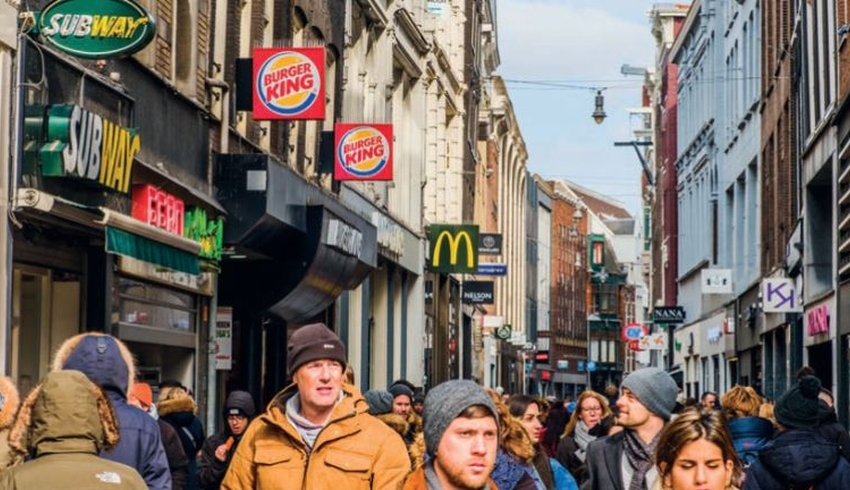
Is your franchise ready for Europe?
Jack Weber is director at Franchise Match, helping franchise brands expand in the Netherlands and Europe.
Franchise brands in Europe are now generating more than €300 billion annually, cementing the continent as one of the most lucrative and mature franchise economies in the world. But the story isn’t just about scale – it’s about transformation.
Fast-food chains and traditional retail outlets no longer define the European landscape. In 2025, Europe has emerged as a dynamic growth hub for service franchises, wellness concepts, digital-first models, and sustainability-driven brands.
Across the continent, consumer expectations are shifting at speed. Urban lifestyles, the demand for digital convenience, and growing awareness of health and environmental impact are reshaping how Europeans live, eat, and shop. Franchises that respond to these evolving values – through smarter operations, technology integration, and authentic sustainability – are the ones scaling fastest.
In recent years, countries such as Germany, Spain, Italy, and the Netherlands have seen record levels of franchise activity. Germany alone now generates an estimated €147 billion annually through franchising, supported by strong consumer confidence and a well-established legal framework. Spain hosts over 1,300 active franchise brands, while Italy added more than 4,600 new franchise locations in 2023, signaling steady investor confidence and demand for local entrepreneurship.
But Europe’s franchise growth isn’t only about expansion – it’s about evolution.
Service-based franchises are gaining ground rapidly, from tutoring centers and fitness studios to cleaning, repair, and home improvement services. As populations age and urbanize, the appetite for convenient, trusted, service-led businesses has never been stronger.
Meanwhile, wellness and health-oriented concepts are booming. Europe’s consumers are prioritizing physical fitness, mental wellbeing, and preventive care, creating fertile ground for brands offering gym memberships, yoga classes, recovery therapies, or nutrition-focused solutions.
Digital-first franchises are also redefining customer engagement. From app-based memberships to hybrid online–offline delivery models, brands that blend technology with personal service are meeting Europe’s tech-savvy consumers where they already are – on their phones and devices.
“Europe’s franchise growth isn’t only about expansion – it’s about evolution.”
Finally, sustainability-driven franchising is moving from trend to baseline expectation. In markets such as the Netherlands and across the Nordic countries, environmental awareness isn’t a selling point – it’s a requirement. Brands that can demonstrate genuine eco credentials, from sourcing to supply chain, are being rewarded with customer loyalty and regulatory goodwill.
Europe’s strength lies in its diversity. Mature economies like Germany, France, and the UK offer scale, sophistication, and robust infrastructure, ideal for international brands seeking credibility and reach. Meanwhile, high-growth markets such as Portugal, the Nordics, and the Netherlands provide easier market entry, lower saturation, and consumer bases that are both affluent and open to innovation.
For investors and franchisors alike, the key lies in alignment. Success in Europe depends not only on having a strong brand but also on adapting to the nuances of each local market, from regulations and labor laws to cultural habits and consumer expectations.
Europe’s franchise market is becoming not only larger but also smarter. The continent’s multilingual, mobile workforce supports cross-border growth; its digital infrastructure accelerates scalability; and its mix of developed and emerging economies offers a balance of stability and opportunity.
For franchisors ready to think strategically, Europe represents a gateway to both market diversity and brand resilience. It’s where scale meets sophistication, and where today’s global brands are shaping the next chapter of international franchising. The opportunity is clear: franchises that combine operational excellence with cultural adaptability can build a strong, sustainable footprint across the continent.
The question isn’t whether Europe is ready. It’s whether your franchise is.
If you’re an international franchisor looking to enter the Dutch market or an existing brand ready to scale, let’s connect and discuss how we can accelerate your expansion. Email jack.weber@tachyons.nl or call international +31 85 – 0282 003.